
Multiparametric In Situ Imaging (MISI) Laboratory
MISI couples diagnostic tissue pathology expertise with high-dimensional spatial imaging to characterize human tissues at single-cell resolution. Embedded in the clinical environment, MISI accelerates discovery while maintaining pathologist oversight and clinical relevance.
- Quantitative, spatially resolved protein profiling in intact tissue architecture
- High-plex immunofluorescence with validated, automated workflows
- Datasets ready for computational pathology and AI-enabled analysis
Scientific focus
Map immune, stromal, and tumor compartments while preserving spatial relationships and tissue architecture.
Standardized, automated staining and acquisition pipelines support reproducibility across slides, cohorts, and studies.
Produce analysis-ready outputs for downstream computational pathology and AI workflows within the broader CTP ecosystem.
By embedding advanced spatial imaging directly within the clinical pathology environment, MISI transforms diagnostic tissue into a high-resolution discovery platform-bridging patient care and precision research.
Platforms & technologies
- Simultaneous interrogation of up to 7 protein biomarkers
- Fully automated workflow
- High-throughput whole-slide and TMA imaging
- 40x resolution for single-cell quantification
- High-plex immunofluorescence detection (up to 36 markers)
- No conjugation required for primary antibodies
- Curated primary antibody panels provided by MISI core (custom panels available)
- Completely automated workflow for staining and acquisition
- Designed for FFPE tissue
- Processes 1-4 slides per run
- High-sensitivity camera; acquisition window 12.5 x 12.5 mm
Services
Fee schedules and service details are available upon request.
-
1Contact the CTP intake to discuss goals, tissue type, and marker requirements
-
2Align on workflow, run plan, and deliverables
-
3Submit samples with checklist and required metadata
-
4Receive images + quantified outputs for downstream analysis
Resources
Add MISI-related publications here (e.g., curated list or links to PubMed). If you want a consistent site-wide pattern, consider reusing the same publications component you use elsewhere in CTP.
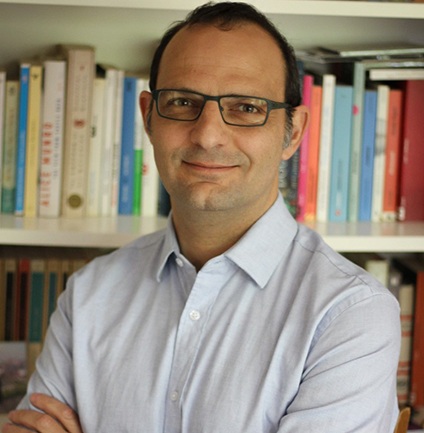
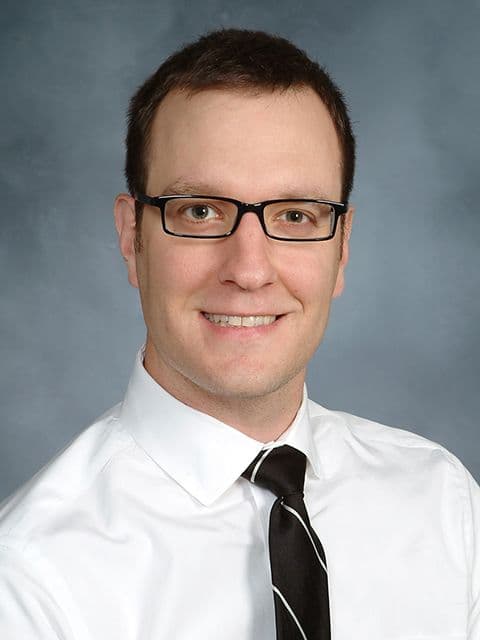
Faculty leadership
Contact & intake
1300 York Avenue, New York, NY 10065
Want help choosing the right platform and marker strategy? Start with a short intake email and we'll route you to the right workflow.
Email intake